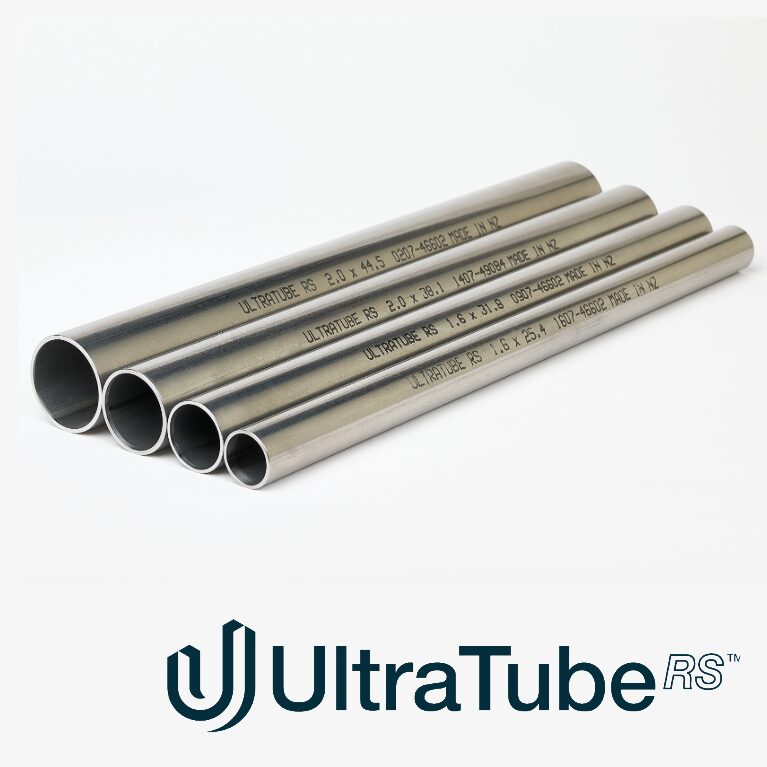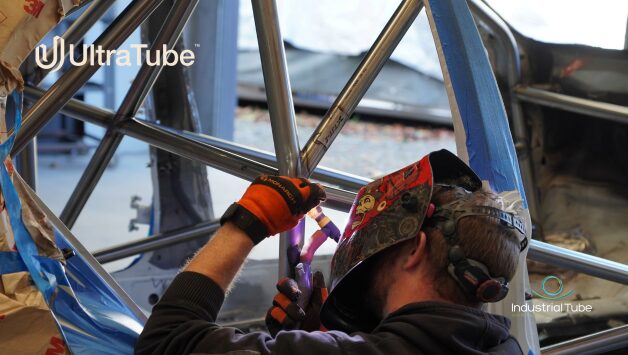
Welding Tube NZ, UltraTube

Welding Tube NZ, UltraTube

Practical Guidance for Modern High-Strength Tube Fabrication

Modern high-strength structural steels are no longer designed around tensile strength alone.

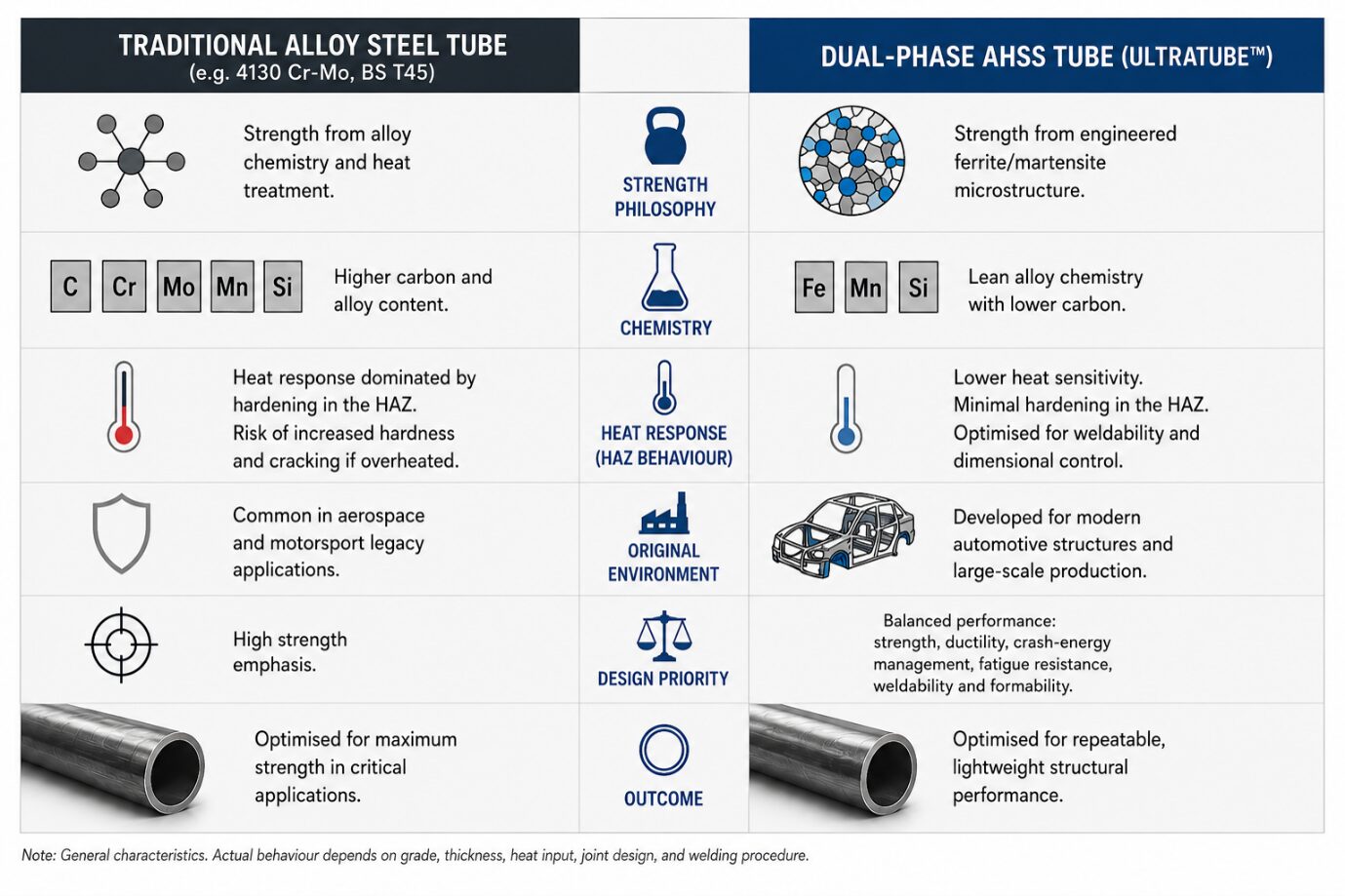
Materials such as UltraTube™ are engineered to balance strength, ductility, weldability, fatigue resistance, and progressive energy absorption within lightweight fabricated structures. This differs from traditional alloy-steel approaches such as 4130 Cr-Mo, where mechanical properties are derived primarily from alloy chemistry and heat treatment condition.

For welded tubular structures, heat affected zone behaviour, weld geometry, local stiffness transition, and fatigue response can all influence long-term structural performance under cyclic loading and impact conditions.

UltraTube™ was developed within the broader advanced high-strength steel (AHSS) philosophy used extensively throughout modern automotive structural engineering, where repeatable fabrication, crash-energy management, and controlled deformation behaviour are fundamental design requirements.

Unlike some highly alloyed thin-wall motorsport materials, UltraTube™ does not require specialised welding processes, preheat routines, or post-weld heat treatment under normal fabrication conditions. However, as with any high-strength structural material, weld quality, heat input control, joint preparation, and overall fabrication practice remain critical.

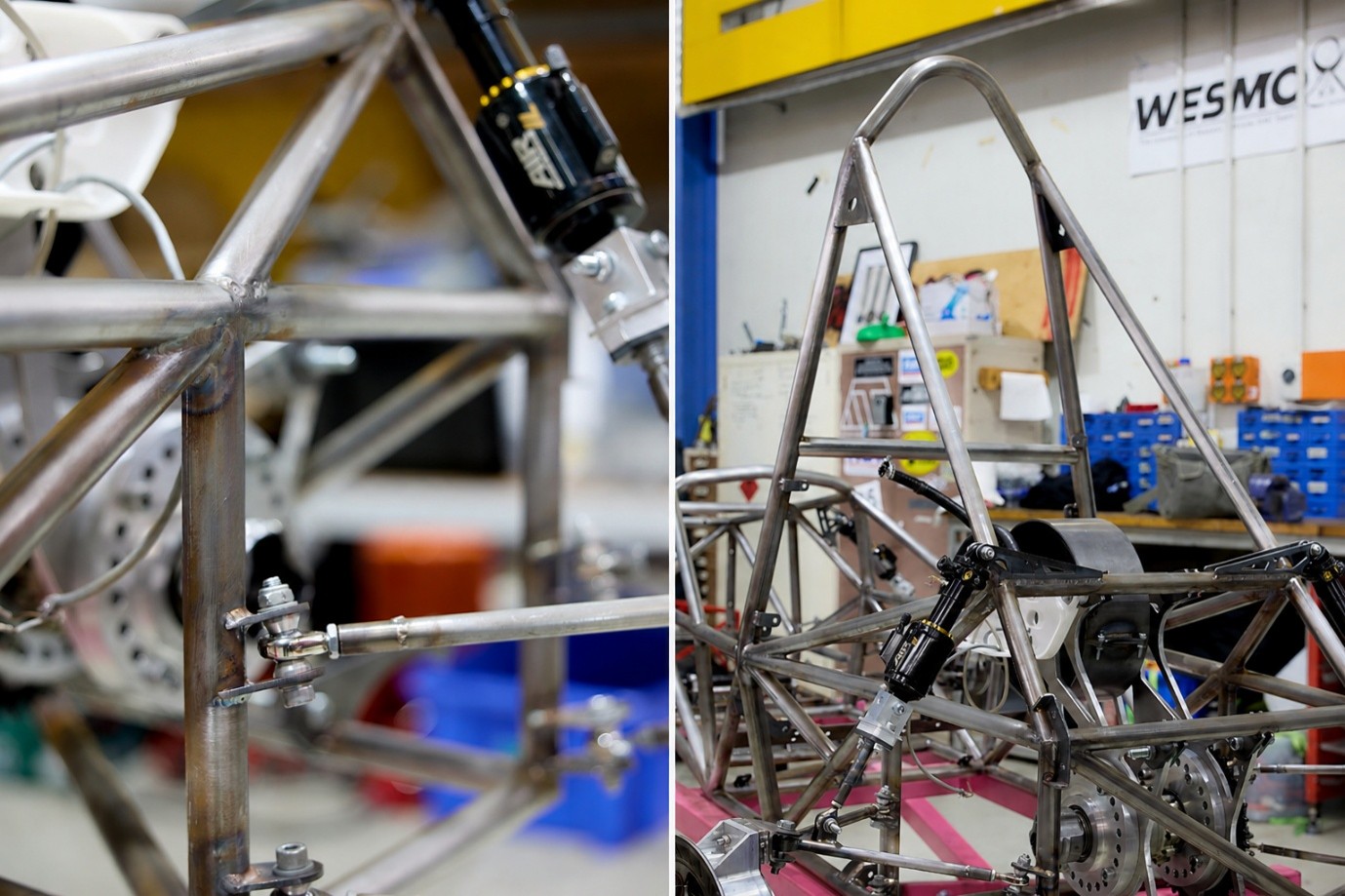
This article outlines practical welding observations and fabrication guidance developed through internal fabrication work, destructive testing, supplier literature, and broader AHSS welding practice.
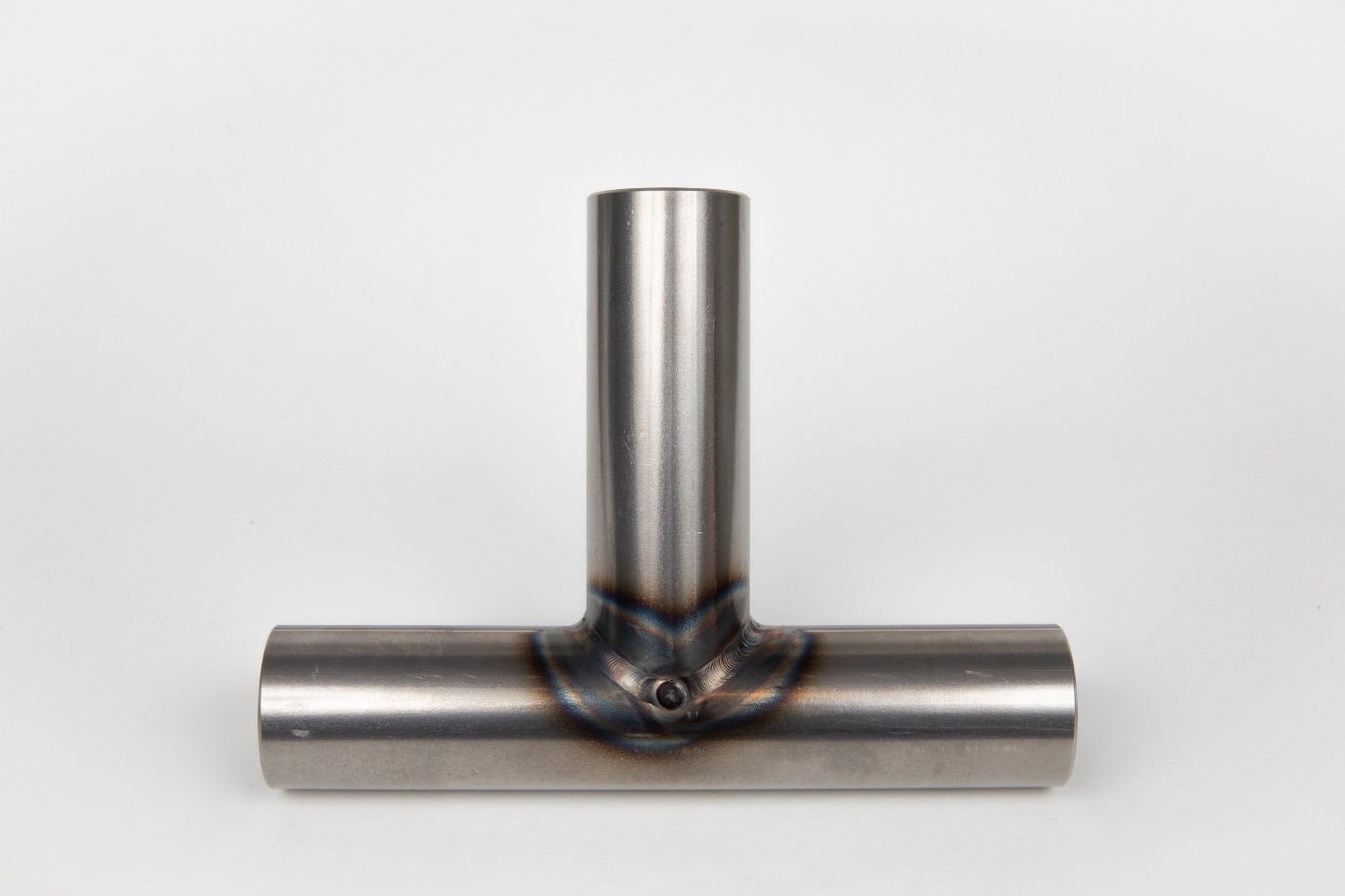
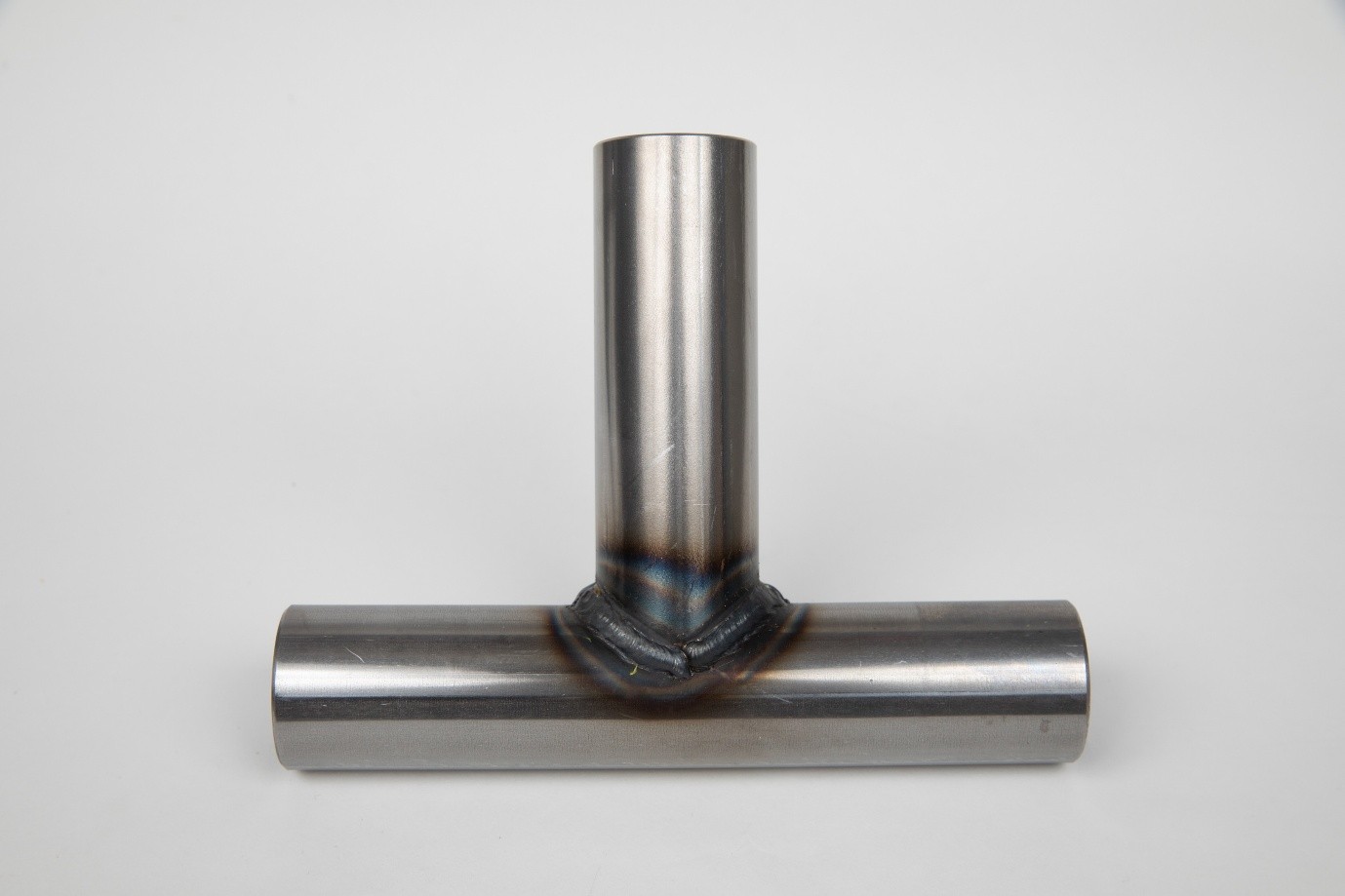
TIG-welded UltraTube RS high-strength steel tube joint showing consistent weld geometry and a controlled heat affected zone.

What Makes UltraTube™ Different?

UltraTube™ is manufactured from dual-phase advanced high-strength steel (AHSS), a class of material originally developed for lightweight automotive structures requiring a balance of strength, formability, crash-energy management, and weldability.

Unlike conventional alloy steels such as 4130 Cr-Mo, where strength is derived primarily from alloy chemistry and heat treatment condition, dual-phase steels achieve their mechanical behaviour through a ferritic matrix containing a harder martensitic phase. This combination promotes progressive deformation behaviour together with strong work-hardening response under load.

An important distinction from a fabrication perspective is that UltraTube™ achieves high strength without the elevated carbon levels commonly associated with some traditional motorsport alloy steels. Modern AHSS materials are intentionally designed with relatively lean chemical compositions to support weldability, manufacturing consistency, and repeatable structural performance.

As a result, UltraTube™ can be welded using conventional MIG and TIG processes without the level of heat sensitivity commonly associated with some highly alloyed high-strength tube materials.

Designed for Structural Fabrication

Dual-phase AHSS materials were originally developed for welded automotive structures operating under cyclic loading, vibration, and impact conditions, where manufacturing repeatability and controlled structural behaviour are critical. Unlike some traditional aerospace-derived alloy steels, the design philosophy behind these materials places significant emphasis on weldability, deformation behaviour, and large-scale manufacturing consistency alongside tensile strength.

UltraTube™ applies these broader AHSS principles within a precision mechanical tube format intended for lightweight fabricated structures.

TIG-welded UltraTube RS high-strength steel tube joint showing consistent weld geometry and a controlled heat affected zone.

Material Consistency and Traceability

One of the practical advantages of UltraTube™ is the consistency of the material system itself.

UltraTube™ is manufactured from a single tightly controlled dual-phase AHSS parent material with documented chemistry, mechanical properties, and repeatable processing history. This supports consistent weld behaviour, forming response, dimensional control, and structural performance from batch to batch.

4130 Cr-Mo tube is a globally distributed material supplied through a wide range of mills, processing routes, and heat-treatment conditions. This is not a reflection of product quality – it is simply the nature of an internationally sourced alloy steel with multiple valid manufacturing routes. However, it does mean that chemistry tolerances, mechanical properties, dimensional consistency, and weld response can vary depending on the source material and supply condition. For fabricators, that variability becomes a practical consideration regardless of the nominal specification.

For structural fabrication, consistency and predictability are often just as important as tensile strength alone. Repeatable parent material properties support more stable fabrication outcomes, more consistent weld behaviour, and greater confidence in the finished structure.

Why the Heat Affected Zone Matters

When welding high-strength steel tube, the weld bead itself is only part of the structure. The surrounding heat affected zone (HAZ) can significantly influence ductility, crack sensitivity, fatigue performance, and local deformation behaviour.

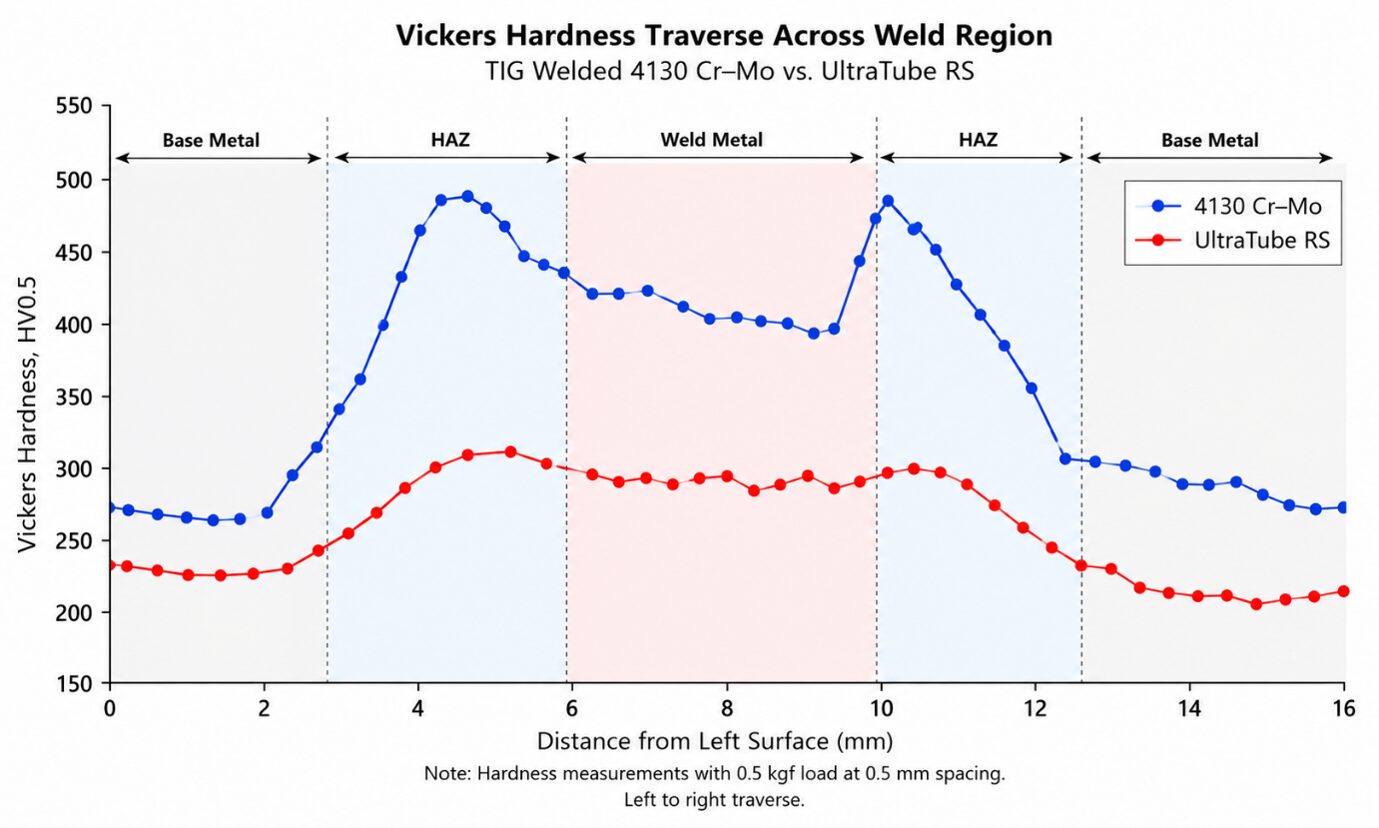
In many welded tubular structures, the transition between the weld metal, HAZ, and parent material becomes more important than ultimate tensile strength alone. Excessive local hardness, abrupt stiffness transition, or poor weld geometry can increase strain concentration and reduce fatigue resistance under cyclic loading.

Compared with some highly alloyed heat-treatable steels, UltraTube™ exhibits lower sensitivity to excessive HAZ hardening when fabricated correctly. This does not reduce the importance of welding quality. Poor fit-up, excessive heat input, contamination, insufficient penetration, undercut, or inappropriate filler selection can still create serious structural weaknesses.

However, the relatively lean alloy chemistry and dual-phase metallurgy used in UltraTube™ are intended to support weldability and more controlled mechanical transition through the weld region compared with many traditional high-strength alloy steel tube materials.

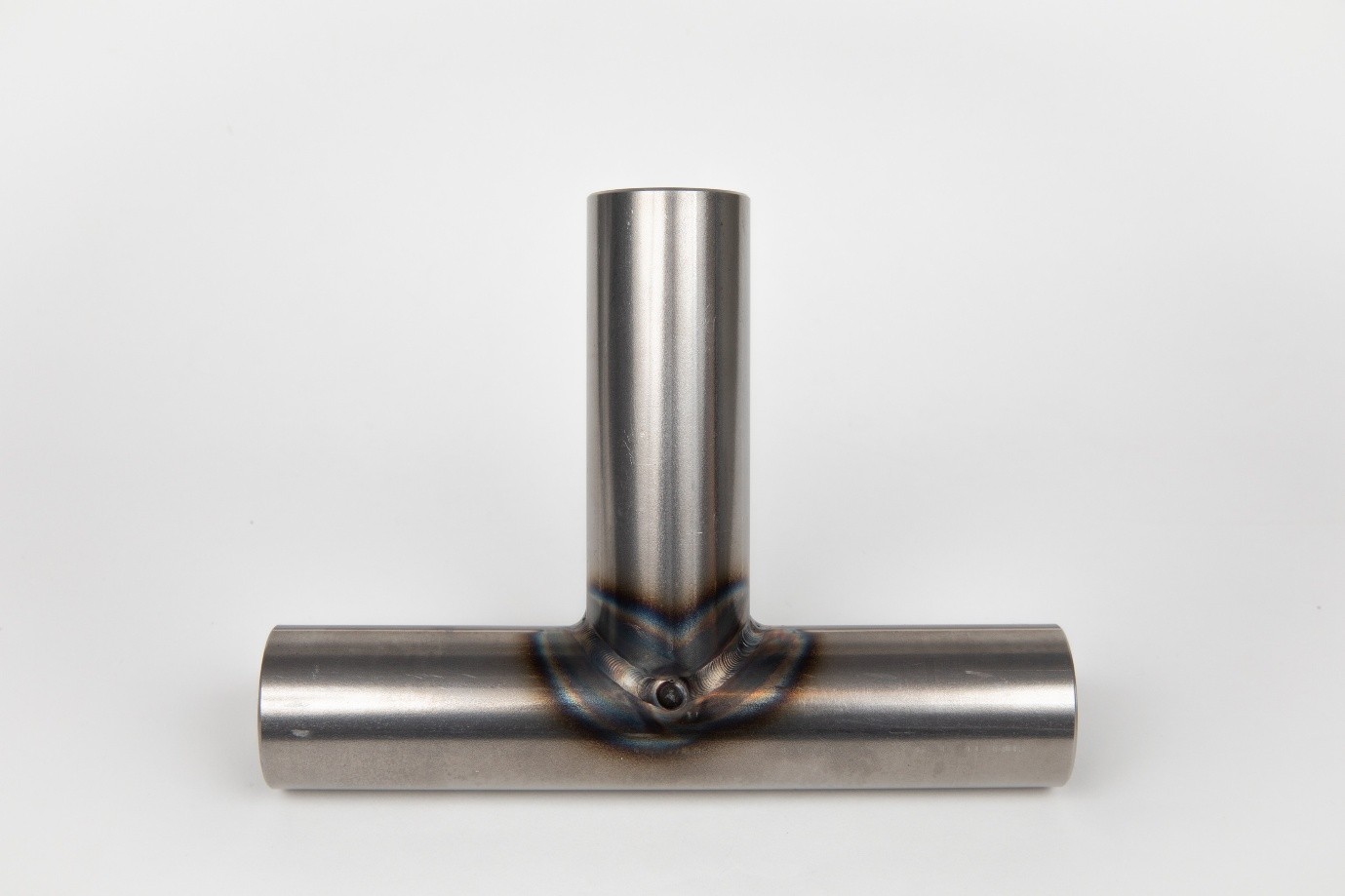
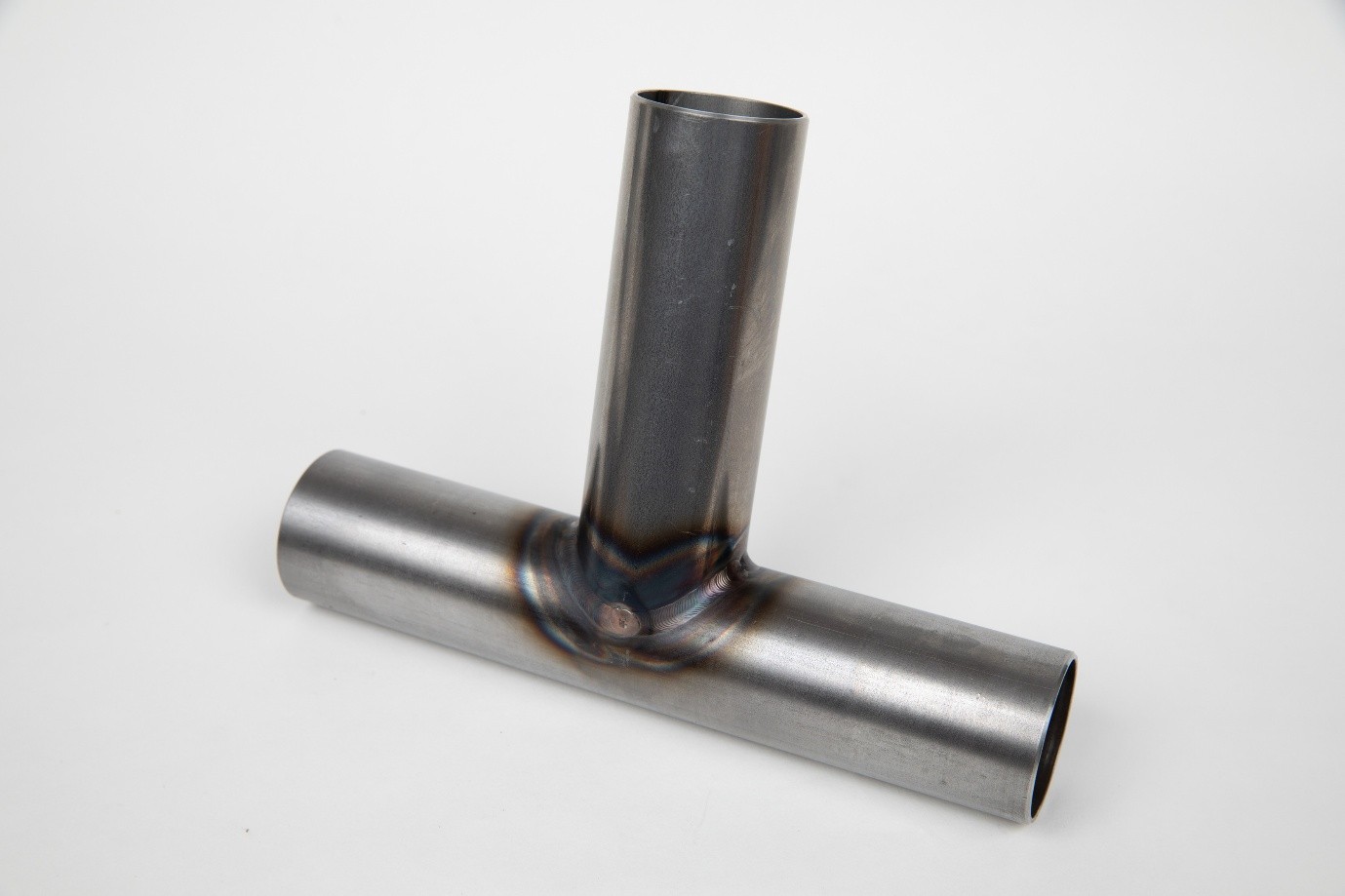
TIG welded UltraTube RS tee joint demonstrating controlled heat affected zone profile and consistent weld geometry.
TIG Welded UltraTube RS Tee Joint Demonstrating Controlled Heat Affected Zone Profile and Consistent Weld Geometry.
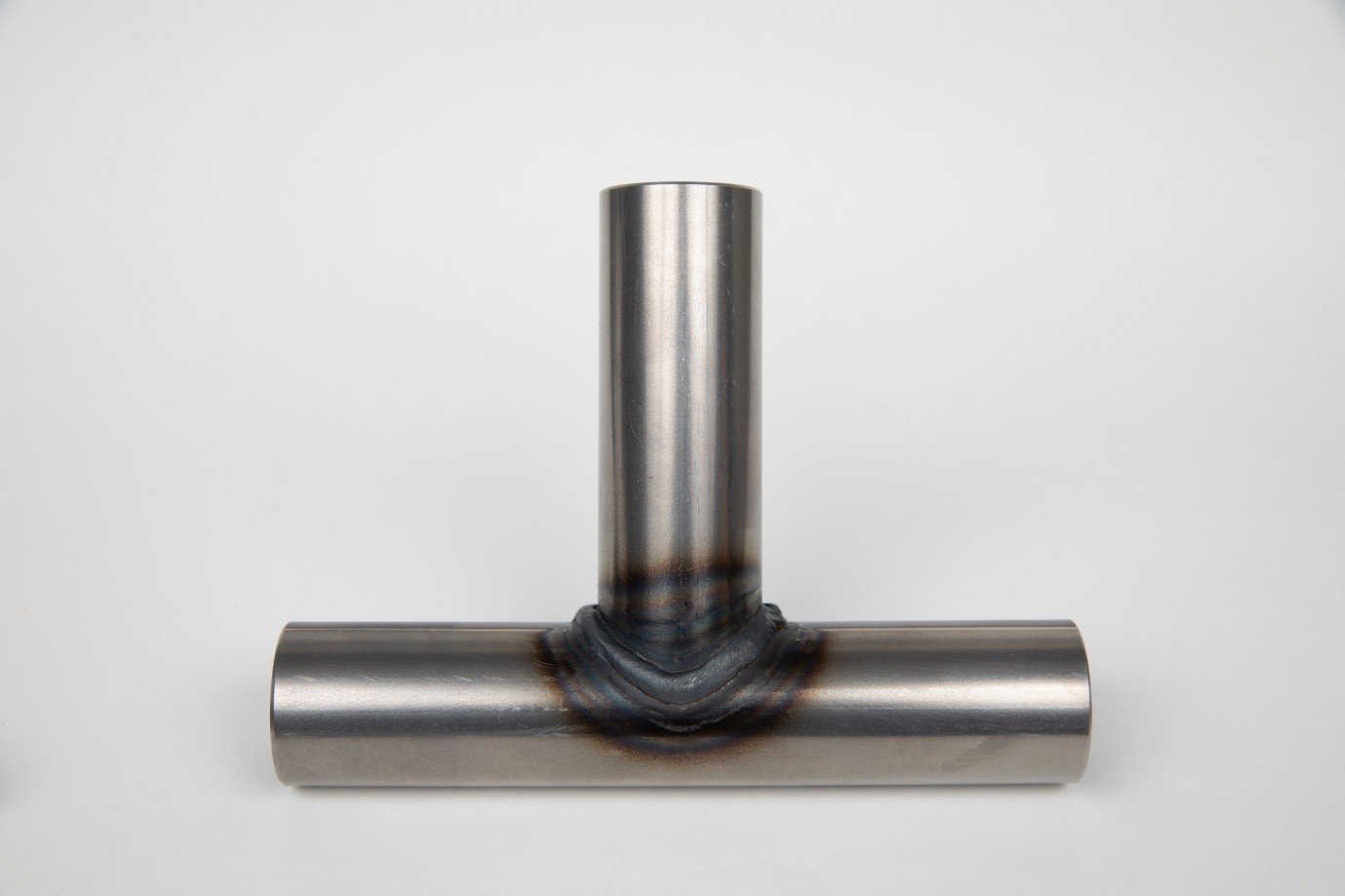
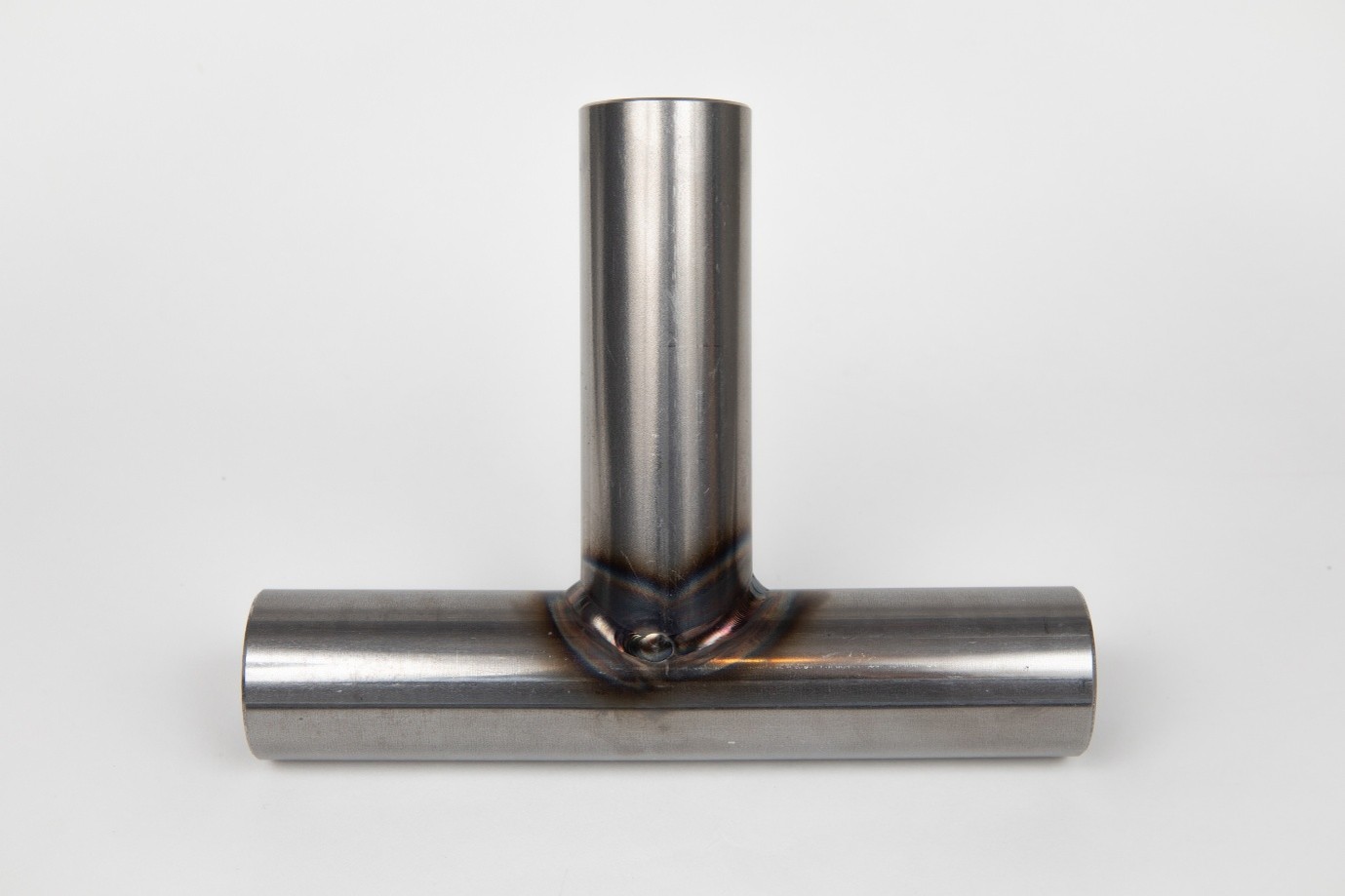
MIG welded UltraTube T-Joint
MIG Welded UltraTube T-Joint

Heat Input and Welding Technique

As with any high-strength structural steel, good heat control remains important when welding UltraTube™. Excessive heat input can widen the heat affected zone (HAZ), alter local microstructure, and reduce strength and fatigue performance within the immediate weld region. However, compared with many highly alloyed high-strength tube materials, UltraTube™ is designed to be significantly more fabrication-friendly under normal workshop conditions.

Unlike some traditional alloy steels, UltraTube™ does not require preheating or post-weld heat treatment when welded using conventional MIG or TIG processes. Its relatively low carbon equivalent and lean alloy chemistry contribute to stable weldability and reduced sensitivity to cracking and excessive HAZ hardening.

For critical structural fabrication, TIG (GTAW) is commonly preferred due to its precise heat-input control, weld visibility, and suitability for thin-wall tube fabrication. TIG welding is also widely used throughout professional motorsport and high-end fabrication environments where joint preparation, fit-up quality, and overall welding consistency are closely controlled.

However, properly executed MIG (GMAW), including pulsed MIG processes, can also produce excellent structural results in high-strength tube fabrication when correct parameters, penetration control, and sound fabrication practices are maintained. Modern motorsport fabrication environments routinely utilise both processes depending on application, production requirements, and approved fabrication procedures.

For MIG (GMAW), recommended practice includes maintaining stable travel speed, avoiding excessive weaving, and minimising unnecessary reheating of completed welds. Pulsed MIG can provide additional heat control on thinner-wall sections while maintaining good penetration quality.

For TIG (GTAW), maintaining a short stable arc, consistent shielding gas coverage, and controlled dwell time will generally produce clean and repeatable welds. As with any precision tube fabrication, good fit-up remains important regardless of process.

Broader AHSS welding guidance similarly recommends controlling overall heat input and limiting unnecessary HAZ width – consistent with the design philosophy behind UltraTube™’s dual-phase metallurgy.

For motorsport applications, fabricators must also comply with the specific welding, material, and construction requirements of the relevant sanctioning body or governing regulations. Acceptance of welding processes, filler metals, tube dimensions, and fabrication methods may vary between categories and organisations.

Illustration of Vickers hardness traverse data generated by MT Labs (Auckland) from TIG welded samples of equivalent geometry using approximately 77 A welding current and ER70S-2 filler metal.

Joint Preparation and Fabrication Practice

As with any structural tube fabrication, accurate tube notching, consistent fit-up, and clean joint preparation remain essential.

UltraTube™ is supplied in a cold-rolled condition without heavy mill scale, supporting cleaner arc initiation, improved root fusion, and reduced preparation time compared with many hot-finished structural and alloy tube products. A light protective oil film from manufacturing and handling may be present, although this is typically minimal and easily removed during normal fabrication preparation.

Good fabrication practice should also include avoiding grinding contamination, maintaining adequate shielding gas coverage, and minimising excessive undercut, abrupt weld terminations, or sharp geometric transitions within highly stressed areas.

In motorsport and fatigue-sensitive structures, joint design and weld quality often influence long-term durability more significantly than weld-metal tensile strength alone.

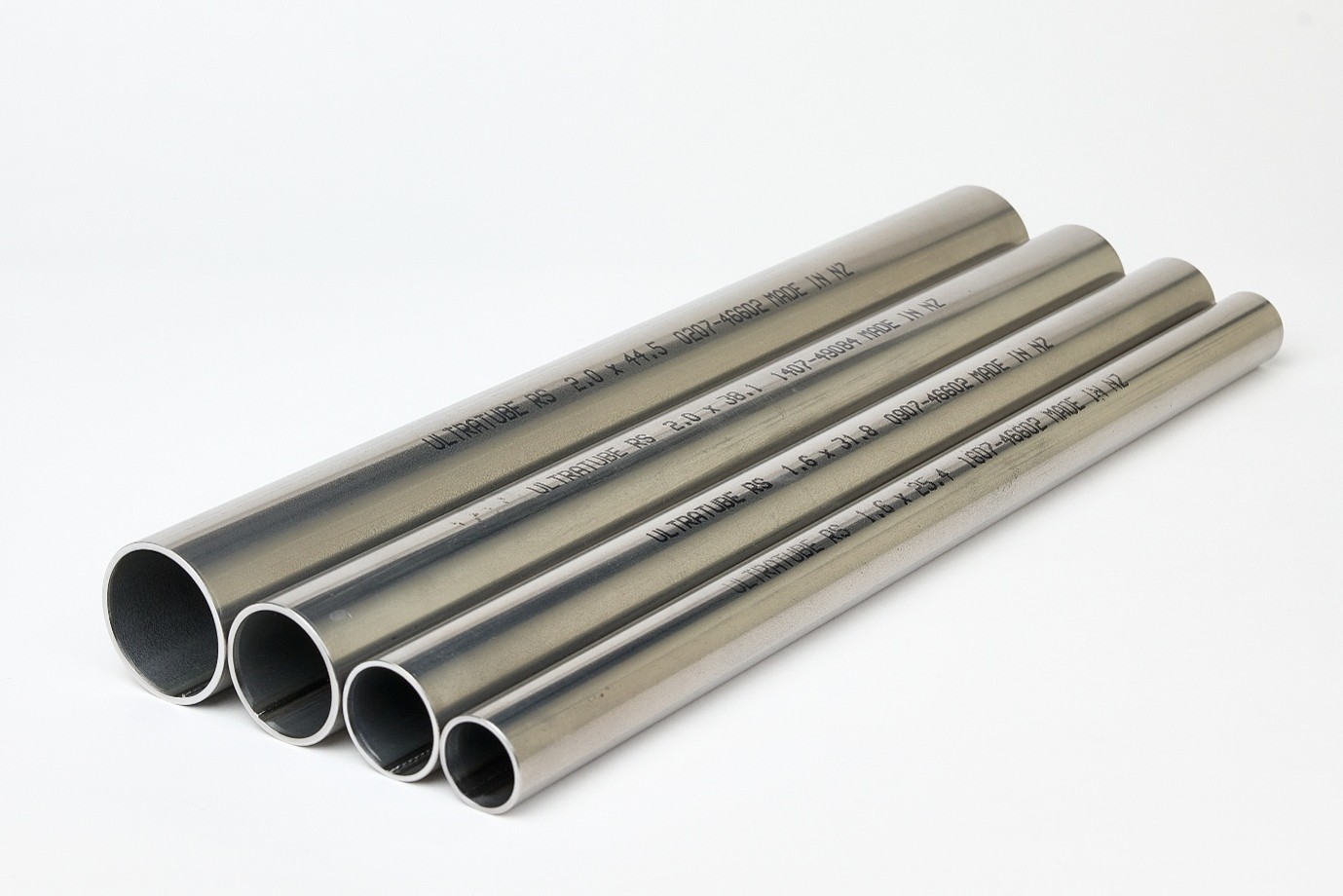
UltraTube RS Safety cage tubing
UltraTube RS Safety Cage Tubing

Fatigue and Structural Behaviour

Motorsport and off-road structures rarely fail from simple static overload alone. Most structural failures initiate progressively through cyclic loading, vibration, local stress concentration, and repeated strain accumulation over time.

For this reason, weld profile, joint geometry, fit-up quality, and local stiffness transition can influence fatigue performance as much as, or more than, weld-metal tensile strength alone. In highly stressed tubular structures, excessively hard localised weld regions may reduce ductility and strain accommodation within the joint, increasing sensitivity to crack initiation under cyclic loading.

The continuous yielding behaviour associated with dual-phase AHSS also supports more progressive deformation behaviour through both the parent material and welded regions. When correctly fabricated, UltraTube™ is intended to maintain ductility through the weld zone and support stable energy absorption under load — characteristics that are particularly relevant in safety cages and other highly stressed fabricated structures where predictable structural behaviour is important.

This broader balance between strength, ductility, weldability, and fatigue resistance forms an important part of the engineering philosophy behind modern dual-phase AHSS materials such as UltraTube™.

Welding to Other Steels

UltraTube™ can be successfully welded to mild steel, conventional structural steels, and 4130 Cr-Mo tubing using conventional MIG and TIG processes. Due to its relatively lean alloy chemistry and low carbon equivalent, UltraTube™ behaves predictably in mixed-steel fabricated structures, without the level of heat sensitivity associated with some highly alloyed materials.

When welding dissimilar materials, the final structural behaviour is governed not only by filler strength, but also by weld geometry, local stiffness transition, heat affected zone response, and overall load distribution through the joint. As with any mixed-material fabrication, good fit-up and controlled heat input remain important.

UltraTube™ has been successfully fabricated and welded across a range of joint configurations including UltraTube-to-UltraTube, UltraTube-to-mild-steel, and UltraTube-to-4130 Cr-Mo combinations using both TIG and MIG processes. Similar dual-phase AHSS materials are also routinely joined to conventional steels throughout modern automotive manufacturing.

The fabrication examples shown below are illustrative only and should not be interpreted as formal welding procedure qualification records.

TIG welded UltraTube RS to 4130 Cr-Mo tube.
TIG Welded UltraTube RS to 4130 Cr-Mo Tube.
TIG welded UltraTube RS to ITM-MSNZ-Q29 Mild Steel Safety Cage Tubing
TIG Welded UltraTube RS to ITM-MSNZ-Q29 Mild Steel Safety Cage Tubing
MIG welded UltraTube RS to ITM-MSNZ-Q29 Mild Steel Safety Cage Tubing
MIG Welded UltraTube RS to ITM-MSNZ-Q29 Mild Steel Safety Cage Tubing

Built for Modern Fabrication

UltraTube™ combines high strength, predictable deformation behaviour, good weldability, and precision dimensional control within a material system designed for modern structural fabrication. As with any high-strength structural material, successful results still depend on sound fabrication practice, appropriate heat control, and proper inspection.

What differentiates UltraTube™ is not simply tensile strength alone, but the broader engineering philosophy behind modern dual-phase AHSS materials – balancing strength, ductility, weldability, fatigue performance, and predictable structural behaviour within lightweight fabricated assemblies.

When correctly fabricated, that combination supports durable, lightweight structures capable of managing the cyclic loading, vibration, and impact conditions commonly encountered in motorsport and off-road environments.


This article provides general fabrication guidance only and is not a substitute for qualified welding procedures, engineering approval, or sanctioning-body requirements. Fabricators remain responsible for appropriate qualification, inspection, testing, and compliance with applicable standards and regulations. 

Image

Interested to understand if UltraTube™ is right for your product?

Smokai
Blue Scope NZ Steel
Chase | PitStop
Blue Scope NZ Steel
Resero
Winter Garden NZ
Sustainable Stainless
Starex
NZ Steel Galvanised
Archgola
Howard Wright
NZ Made

Turn your concept into a finished product — seamlessly

End-to-end manufacturing, streamlined. Design, prototyping, and production — all managed in-house for precision and control.